


Is tinned copper wire any good
You often need a reliable wire for your electrical projects. Tinned copper wire gives you strong performance and long life because the tin coating protects the copper. This wire offers excellent electrical conductivity. The tin layer helps prevent rust and damage, which means your connections stay safe and last longer. People use tinned copper wire in electronics, cars, and even simple repairs at home. Whether you are new to wiring or have years of experience, you can trust this wire for many jobs.
Key Takeaways
Tinned copper wire offers excellent corrosion resistance, making it ideal for use in humid or salty environments.
The tin coating enhances solderability, allowing for easy and reliable connections in electronic projects.
Choose tinned copper wire for its durability; it withstands bending and twisting without damage, ensuring long-lasting performance.
Select the appropriate gauge of tinned copper wire based on your project's electrical needs to ensure safety and efficiency.
Proper handling and storage of tinned copper wire can extend its lifespan and maintain its quality for future use.
What is tinned copper wire
Definition
You may wonder what makes tinned copper wire different from regular wire. Tinned copper wire is a bare copper wire with a thin layer of tin covering its surface. This tin coating acts as a shield. It helps the wire resist rust and corrosion. You can use it in places where moisture or humidity is a problem. The tin layer stops oxidation, so the wire stays strong and stable. Many people choose this wire for projects that need extra durability, like stained glass panels or outdoor electrical work.
Tip: If you want your wiring to last longer in tough conditions, choose tinned copper wire for better protection.
Manufacturing process
You might find it interesting to know how tinned copper wire is made. The process involves several important steps:
Melting and Casting: Workers melt copper cathodes and cast them into rods or billets.
Rod Breakdown: Machines pull the copper rods to make them thinner.
Annealing: The wire is heated and cooled to make it flexible and keep its conductivity.
Stranding and Bunching: Sometimes, several wires are twisted together to make stranded wire.
Insulation (Optional): Some wires get a layer of insulation for extra safety.
Quality Testing: Each batch is checked for how well it carries electricity, how strong it is, and how good the insulation works.
Winding and Packaging: The finished wires are wound onto reels, labeled, and packed for shipping.
During production, factories use strict quality control. They test the wire at high temperatures to make sure the tin layer stays strong. This is very important for wires used in wet places, like on boats. They also check how well the wire can be soldered. This ensures you get reliable connections in your electronic devices.
Tinned copper wire features
Tin coating
You see the tin coating as the main feature of tinned copper wire. The tin layer covers the copper and acts as a shield. This coating protects the wire from oxygen and moisture. You avoid green corrosion that often appears on bare copper. The wire keeps its shiny look even in harsh environments. The tin also guards against harmful gases found in factories and cities. You get a wire that lasts longer and stays reliable.
The tin coating forms a barrier against rust and oxidation.
You notice that the wire stays bright and clean over time.
The wire resists damage from industrial gases and weather.
You can use it in places with high humidity or pollution.
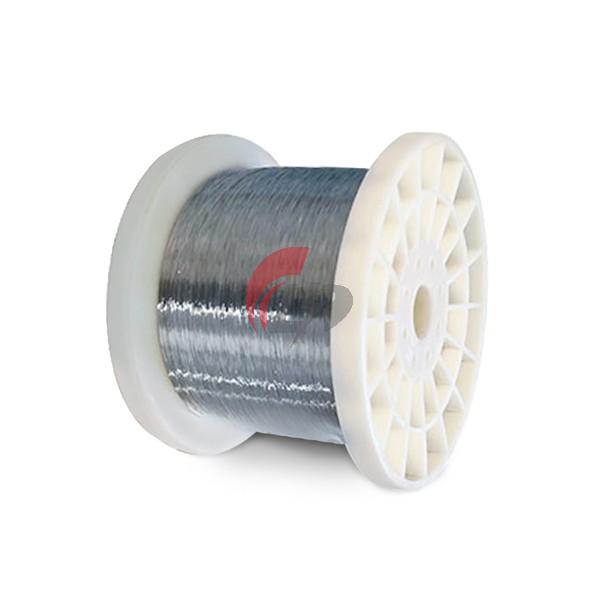
CLAD offers tinned copper wire with a bright finish and a thin, even layer of tin. You choose from sizes ranging from 0.2mm to 1.5mm. The wire goes through soft annealing, which makes it flexible and easy to handle. You trust the quality because CLAD follows ISO9001 standards.
Note: The tin coating helps your wire stay strong and safe, even when you use it outdoors or in tough conditions.
Electrical conductivity
You rely on tinned copper wire for excellent electrical conductivity. Copper is one of the best metals for carrying electricity. The tin layer does not block the flow of current. You get stable and efficient power transmission. The wire works well for both signal and power applications. You can use it in electronics, automotive wiring, and home repairs.
CLAD's tinned copper wire keeps its conductivity because the tin layer prevents oxidation. You avoid weak spots and interruptions in your circuits. The wire stays dependable for a long time.
Feature | Benefit |
|---|---|
High conductivity | Reliable power and signals |
Tin coating | Prevents oxidation and corrosion |
Soft annealing | Easy to bend and install |
Solderability
You find that tinned copper wire is easy to solder. The tin coating improves how the wire accepts solder. You do not need strong chemicals or aggressive fluxes. The wire lets solder flow smoothly and stick well. This makes your connections secure and simple to make.
The tin layer helps with wave soldering and reflow processes. You can finish your projects faster and with fewer problems. According to industry standards, a minimum tin thickness ensures good soldering for at least 30 days. If you use the wire soon after purchase, you get the best results.
CLAD's tinned copper wire has a bright surface and consistent tin plating. You get wires that are easy to solder and make strong joints. The wire comes in plastic reels and cartons, so it stays clean and ready for use.
Tip: If you want easy and reliable soldering, choose tinned copper wire with a fresh tin coating.
Benefits
Corrosion resistance
You want your wiring to last, especially in tough environments. Tinned copper wire gives you strong protection against corrosion. The tin coating acts as a shield, stopping moisture and salt from attacking the copper. In laboratory tests, experts use ASTM B117 salt spray testing to check how well the wire stands up to marine conditions. This test simulates salty air and water. Tinned copper lugs show minimal corrosion after long exposure, while bare copper quickly turns green and weakens. You can trust this wire for boats, docks, and places near the ocean.
Tinned copper wire resists rust and oxidation.
The wire stays bright and clean, even in salty air.
You avoid frequent repairs and replacements.
Durability
You need wire that can handle bending, twisting, and daily use. Tinned copper wire stays flexible because of soft annealing. The tin layer prevents cracks and breaks. You can pull, cut, and solder the wire without worrying about damage. The wire works well in cars, electronics, and home repairs. You get reliable performance every time.
Tip: Choose tinned copper wire for projects that require strong and flexible connections.
Longevity
You want your wiring to last as long as possible. Tinned copper wire stays clean and conductive for at least twelve months outdoors. Bare copper can corrode in just three months. In practical tests, bare copper showed a big voltage drop after six weeks, while tinned copper wire kept stable performance. You get steady power and signals for a long time. This wire works best in humid areas, places with temperature swings, and long-term installations.
Installation Type | Average Lifespan |
|---|---|
Outdoor (tinned copper) | 12+ months |
Outdoor (bare copper) | 3 months |
Safety
You care about safety in your projects. Tinned copper wire helps prevent electrical failures caused by corrosion. The tin coating keeps connections strong and reduces the risk of short circuits. You avoid overheating and fire hazards. The wire meets strict quality standards, so you can use it in sensitive devices and high-risk areas. You protect your equipment and your home.
Note: Using tinned copper wire increases safety and reliability in every installation.
Drawbacks
Cost
You notice that tinned copper wire often costs more than bare copper wire. Several factors drive up the price. The cost of raw copper metal plays a big role. Energy used in processing and manufacturing adds to the expense. Transportation and logistics also affect the final price. Government rules and environmental standards can increase production costs. Supply and demand in the market change pricing trends.
Raw copper prices impact production costs.
Energy for manufacturing raises expenses.
Transportation and logistics affect selling prices.
Government policies and regulations influence costs.
Supply and demand shape pricing.
If you plan a large project, you may need to consider your budget. Tinned copper wire gives you extra protection, but you pay more for these benefits.
Conductivity differences
You rely on copper for its excellent conductivity. The tin coating on tinned copper wire does not block electricity, but it can slightly reduce conductivity compared to pure copper. You may not notice this difference in most home or hobby projects. In high-performance or sensitive electronics, even small changes in conductivity can matter. You should check the requirements for your project before choosing tinned copper wire.
Note: For most uses, the conductivity difference is minor. If you work with advanced electronics, you may need to test the wire first.
Application limitations
You find that tinned copper wire works well in many situations, but it does not fit every application. Some environments require wires with special insulation or extra shielding. Tinned copper wire may not meet strict standards for high-frequency signals or extreme temperatures. If you need wire for specialized equipment, you should check the specifications. You may need to choose a different type of wire for certain tasks.
Application Type | Suitability of Tinned Copper Wire |
|---|---|
Home repairs | Excellent |
Automotive wiring | Excellent |
High-frequency circuits | Limited |
Extreme heat | Limited |
You get great results with tinned copper wire in most projects. For special needs, you should explore other options.
Applications
Electronics
You use tinned copper wire in many electronic devices. The wire helps you make strong connections on circuit boards. The tin coating allows you to solder wires easily. You get reliable joints that last a long time. Many manufacturers choose this wire for signal transmission. It keeps your devices running smoothly. You find it in computers, radios, and home appliances. The wire resists corrosion, so your electronics stay safe even in humid rooms.
Tip: If you build or repair electronics, tinned copper wire makes soldering easier and keeps your circuits stable.
Automotive
You see tinned copper wire in cars and trucks. The wire works well in places with heat and moisture. The tin coating protects the copper from rust. You use it for wiring harnesses under the hood. It keeps your engine and battery connections strong. The wire lasts longer in harsh conditions. You avoid frequent repairs and keep your vehicle safe.
Advantages of Tinned Copper Wire | Common Applications |
|---|---|
Enhanced corrosion resistance | Engine compartments |
Improved durability in harsh conditions | Wiring exposed to high temperatures or moisture |
Maintains electrical conductivity | Sensitive electronics and battery connections |
Tinned copper wire resists corrosion, especially in moist environments.
You use it for automotive wiring exposed to harsh conditions.
The wire keeps electrical connections stable and reliable.
DIY projects
You enjoy using tinned copper wire for home repairs and crafts. The wire bends easily and stays flexible. You can cut and shape it for many projects. The tin coating keeps the wire shiny and clean. You use it for making jewelry, fixing lamps, or building model trains. The wire helps you create strong and safe connections. You get good results every time.
Note: Tinned copper wire is a great choice for DIY projects because it is easy to handle and lasts longer.
Tinned copper wire vs bare copper wire
Performance
You want your wiring to work well in every situation. The main difference between these two wires is how they handle tough environments. Tinned copper wire has a thin layer of tin that protects the copper inside. This coating helps the wire resist rust and corrosion. Bare copper wire does not have this protection. If you use bare copper in a damp place, it can turn green and lose strength.
Here is a quick comparison:
Property | Tinned Copper Wire | Bare Copper Wire |
|---|---|---|
Corrosion Resistance | High | Low |
Main Use | Humid or harsh settings | Dry, indoor settings |
Conductivity | Very good | Excellent |
You see that tinned copper wire keeps its quality in wet or salty air. Bare copper wire works best indoors where the air is dry.
Tinned copper wire has a tin coating that blocks moisture and oxygen.
You can use it outside or near water without worry.
Bare copper wire may corrode quickly if you use it in harsh conditions.
When to choose tinned copper wire
You should pick tinned copper wire when you need extra protection. The tin layer slows down rust and keeps the wire strong. This makes it a smart choice for certain jobs.
Scenario | Reason for Choosing Tinned Copper Wire |
|---|---|
Wet or Humid Environments | The tin coating slows down rust and corrosion, making it suitable for areas where bare copper would degrade quickly. |
Marine Settings | Tinned copper is popular in marine wiring due to its resistance to saltwater corrosion. |
Outdoor Electronics | The durability of tinned copper wire reduces maintenance and replacement needs in harsh conditions. |
You get the best results in boats, outdoor lights, and garden electronics. The wire stays bright and works well, even after rain or fog.
Tip: Choose tinned copper wire for any project that faces moisture, salt, or changing weather.
When to choose bare copper wire
You can use bare copper wire for indoor projects. It works well in places where the air is dry and clean. You might use it for wiring inside walls, making art, or building small gadgets. Bare copper wire gives you top electrical performance when you do not need extra protection.
Use bare copper wire for indoor lighting and outlets.
Try it for classroom science projects.
Pick it for crafts that stay inside.
You save money and get strong conductivity when you use bare copper wire in the right place.
Choosing tinned copper wire
Gauge selection
You need to pick the right gauge for your project. The gauge tells you how thick the wire is. Thicker wires carry more electricity, while thinner wires work for smaller loads. You should check the current capacity and voltage drop for your installation. Insulation requirements and durability matter, too. Tinned copper wire works well in harsh environments because the tin coating protects against corrosion. Use the table below to help you decide:
Factor | Description |
|---|---|
Current Capacity | Choose a gauge that handles the expected load safely. |
Voltage Drop | Select a wire that keeps voltage loss low over distance. |
Insulation Requirements | Make sure the wire meets safety standards for your project. |
Durability | Pick tinned wire for extra protection against stress and corrosion. |
Environmental Suitability | Use tinned wire in places with moisture or harsh conditions. |
Tip: Always check your project’s electrical needs before choosing the wire gauge.
Installation tips
You want your wiring to last and stay safe. Follow these steps for the best results:
Check the temperature of the wire and the environment before starting.
Let cold-stored wire warm up to room temperature before installation.
Use insulation and jackets rated for the expected temperatures.
Plan your installation so you do not rush in poor conditions.
Pick the right lug for your wire.
Strip the wire carefully to avoid damaging the tin coating.
Use the correct crimping tool for secure connections.
Seal connections with heat shrink tubing.
Tighten connections to the recommended torque.
Inspect and maintain your wiring regularly.
Tinned copper wire gives you reliable performance in outdoor and coastal areas. You get long-term safety and durability.
Handling and storage
You need to protect your wire from damage and oxidation. Follow these best practices:
Store wire in moisture barrier bags with desiccants to block moisture.
Keep storage areas at 20-25°C and 30-50% humidity.
Use vacuum packaging for extra protection.
Handle wire with clean gloves to prevent contamination.
Avoid direct contact and keep wire in plastic reels or cartons.
CLAD packages tinned copper wire in plastic reels and cartons. You receive wire that stays clean and ready for your project. Quality control ensures you get reliable wire every time.
Note: Proper handling and storage keep your wire safe and extend its life.
You get many benefits from tinned copper wire. It resists corrosion, lasts longer, and makes soldering easy. You can use it in boats, outdoor lighting, solar panels, and industrial equipment. Check the table below for a quick summary:
Advantages | Disadvantages |
|---|---|
High corrosion resistance | Higher cost than bare copper |
Improved longevity | Tin coating may degrade at high heat |
Easy to solder | |
Works in many applications |
Choose quality wire for your project. Always follow safe installation and storage practices.
FAQ
What is the main advantage of tinned copper wire?
You get strong protection from rust and corrosion. The tin coating keeps the copper safe, even in wet or salty places. This means your wire lasts longer and stays reliable.
Can you solder tinned copper wire easily?
Yes! The tin coating helps solder stick to the wire. You make quick, strong connections without using harsh chemicals. This makes your projects easier and safer.
Where should you use tinned copper wire?
You should use it outdoors, near water, or in places with lots of moisture. It works well in boats, cars, and garden lights. The wire stays strong in tough conditions.
How do you store tinned copper wire?
Store your wire in a dry, cool place. Keep it in plastic reels or cartons. Use gloves when handling to keep it clean and shiny.


