


How to choose a reliable CCS wire manufacturer for global industrial applications
Selecting a CCS wire manufacturer stands as one of your most critical procurement decisions. This choice directly impacts product performance, project timelines, and overall cost efficiency. CCS wire uniquely combines steel's tensile strength with copper's conductivity. This dual nature demands exceptional manufacturing precision. Any inconsistency in cladding or material purity compromises your final product.
Global industrial applications require more than a simple supplier. You need a partner who understands international standards, logistics, and rigorous quality assurance. Certifications alone do not guarantee reliability. You must verify production capabilities and supply chain stability.
This guide outlines the essential criteria—from certifications to production capabilities—that define a trustworthy CCS wire manufacturer for your global operations.
Key Takeaways
Verify certifications like ASTM and ISO9001 cover your specific wire production line.
Demand batch test reports for conductivity, tensile strength, and copper layer uniformity.
Choose a manufacturer with proven capacity and customization for your exact specs.
Conduct on-site audits and test multiple batch samples to confirm consistent quality.
Set clear performance metrics and communication rules to build a strong partnership.
Key Quality Certifications for a CCS Wire Manufacturer
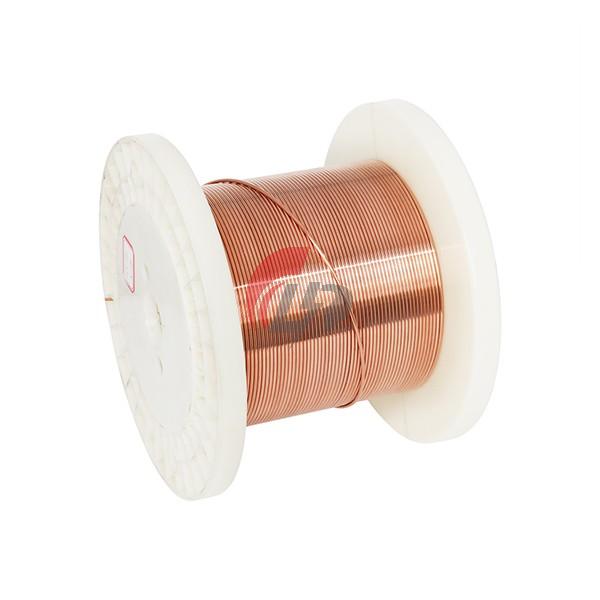
Certifications function as your first line of defense when evaluating a supplier. They verify that a manufacturer meets established industry benchmarks. Without proper certifications, you risk receiving wire that fails in the field. Your project timelines and reputation suffer as a result. The following certifications represent the minimum requirements for any serious CCS wire manufacturer.
Verifying ASTM and ISO Compliance
ASTM standards set the technical specifications for copper clad steel wire in global trade. ASTM B452, B227, B869, and B910/B910M are non-negotiable for international shipments. Each standard addresses a different wire configuration. ASTM B452 covers round wire for electronic applications. ASTM B227 handles general-purpose wire in various temper conditions. ASTM B869 specifies fine wire for coaxial cables. ASTM B910/B910M applies to overhead ground wire applications. You must confirm that your CCS wire manufacturer produces wire meeting all applicable standards for your product type.
ISO9001:2015 certification indicates a robust quality management system. However, you must verify that this certification covers the specific production line for CCS wire. Some manufacturers hold ISO9001 for their overall facility but exclude the specialized cladding process. Ask for the scope of certification. Confirm it includes the bimetallic wire production line. This step ensures the manufacturer follows documented procedures for every stage. It guarantees traceability from raw material inspection to final testing.
A reliable CCS wire manufacturer maintains these certifications as operational frameworks. They do not treat them as marketing badges. When you request certification documents, look for recent audit dates. Expired or outdated certifications signal a lapse in quality focus. Request a copy of the most recent surveillance audit report. This document shows whether the manufacturer corrects non-conformities promptly.
Understanding Conductivity and Tensile Strength Ratings
Conductivity and tensile strength define the performance envelope of CCS wire. Conductivity ratings of 21%, 30%, or 40% IACS determine how effectively the wire transmits electrical signals. Higher conductivity suits power transmission applications where signal loss must remain minimal. Lower conductivity often works for grounding or mechanical support roles. Your application dictates which rating you need.
Tensile strength ranges from 290 to 1500 MPa. Your product requirements determine where your wire falls within this range. For example, high-frequency data transmission cables require tensile strength between 1,200 and 1,500 MPa. This upper portion of the strength bracket prevents the wire from stretching or breaking over long transmission distances. Maintaining signal integrity depends on this mechanical stability. Wire that stretches under tension changes its impedance characteristics. Signal quality degrades as a result. A CCS wire manufacturer must demonstrate the ability to produce wire at specific strength levels within this range.
You must align these ratings with your application demands. Using a wire with insufficient tensile strength risks breakage during installation. Using a wire with excessive conductivity for a simple grounding application wastes material cost. A trustworthy manufacturer helps you match the right specification to your use case. They provide test reports for each batch. These reports confirm both conductivity and tensile strength meet your stated requirements. Ask for these reports before you place an order.
The combination of verified certifications and matched performance ratings gives you confidence in your supply chain. Do not rely on claims alone. Request documentation and test data. A reliable CCS wire manufacturer provides this information readily. They understand that transparency builds trust in global industrial partnerships.
Evaluating Technical Capabilities and Production Processes
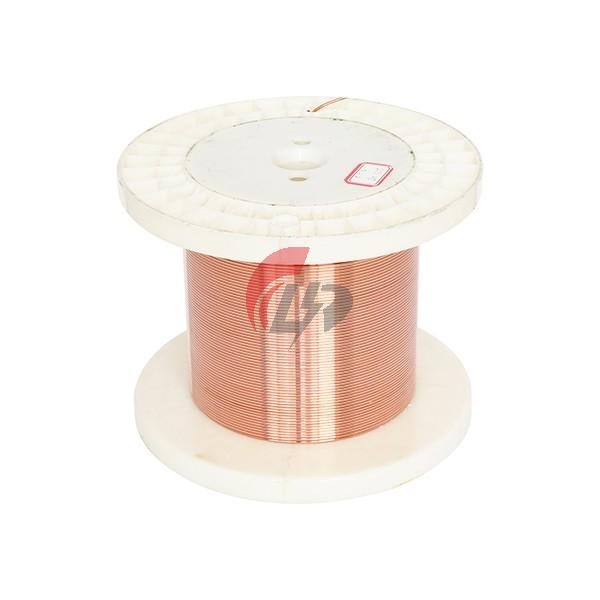
Certifications prove a manufacturer meets industry standards. They do not reveal how the factory operates daily. You must examine the technical processes behind the product. A CCS wire manufacturer with impressive paperwork can still produce inconsistent wire. Understanding cladding technology and quality control protocols separates reliable partners from risky suppliers.
Assessing Cladding Technology and Material Purity
The cladding process determines how well copper bonds to the steel core. Advanced cladding technology creates a uniform copper layer across the entire wire surface. This uniformity directly impacts performance in high-frequency applications. Inconsistent copper thickness causes signal reflection and impedance variations. Your data transmission quality suffers as a result.
Oxygen-free copper cladding matters for two critical reasons. First, it ensures consistent conductivity throughout the wire. Oxygen impurities create resistance hotspots that degrade electrical performance. Second, oxygen-free copper resists corrosion more effectively. This resistance extends the wire's service life in harsh environments. Your installation stays reliable for decades rather than years.
Material purity extends beyond the copper layer. The steel core must meet strict composition standards. Impurities in the steel weaken tensile strength and reduce ductility. A reputable manufacturer sources raw materials from certified suppliers. They document the chemical composition of every incoming batch. You should request these material certificates during supplier evaluation.
The bonding strength between copper and steel determines mechanical reliability. Weak bonding causes the copper layer to separate during bending or installation. This separation exposes the steel core to corrosion. Signal quality degrades rapidly once corrosion begins. Advanced cladding technology creates a metallurgical bond between the two metals. This bond withstands repeated flexing and temperature cycling without failure.
Reviewing In-House Testing and Quality Control Protocols
A reliable manufacturer performs comprehensive testing on every production batch. They do not rely on random sampling. Each batch receives full inspection before shipment. This approach catches defects before they reach your facility. You avoid costly production delays and rework expenses.
Key performance indicators for evaluating cladding quality include:
Diameter and roundness inspection
Copper layer thickness measurement
Bonding strength and adhesion testing
Electrical conductivity testing
Tensile strength and elongation testing
Surface quality inspection
Coil weight, length, and packaging inspection
Each test verifies a specific aspect of wire performance. Diameter and roundness checks ensure dimensional consistency. Copper layer thickness measurement confirms the cladding meets specification. Bonding strength testing validates the metallurgical bond. Electrical conductivity testing verifies the wire transmits signals efficiently. Tensile strength and elongation testing confirm mechanical properties. Surface quality inspection catches scratches, pits, or other defects. Packaging inspection ensures the wire arrives undamaged.
You should ask about testing frequency and documentation. Does the manufacturer test every coil or every batch? What equipment do they use for conductivity measurements? Can they provide test reports for previous shipments? A transparent manufacturer answers these questions without hesitation.
The testing laboratory itself deserves scrutiny. Calibrated equipment produces reliable measurements. Regular calibration against national standards ensures accuracy. Ask about their calibration schedule and traceability documentation. You also want to know who performs the tests. Trained technicians follow documented procedures. They record results in a traceable database. This traceability allows you to verify quality claims after delivery.
In-house testing capabilities indicate engineering depth. A CCS wire manufacturer that invests in laboratory equipment demonstrates commitment to quality. They can respond quickly to custom requirements. They can also troubleshoot issues during production. This capability reduces lead times and improves consistency. You benefit from faster delivery and fewer quality surprises.
Supply Chain Reliability and Customization Options
Your CCS wire manufacturer must deliver consistent quality at scale. Production capacity determines whether they can meet your volume demands without compromising lead times. A manufacturer with a wide diameter range demonstrates flexibility to serve diverse industrial needs. For instance, top manufacturers produce CCS wires from 0.06 mm to 12 mm in diameter. This range fully covers the 0.1–5.20 mm specifications common in global applications. Such breadth signals advanced machinery and process control. You can trust that a manufacturer handling this range has the equipment flexibility to accommodate your specific requirements.
Evaluating Production Capacity and Lead Times
Production capacity directly affects your project timelines. You need a manufacturer who can scale output as your orders grow. Ask about their monthly production volume and current capacity utilization. A manufacturer operating near maximum capacity may struggle with urgent orders. You also want clarity on standard lead times for different order sizes. A reliable CCS wire manufacturer provides realistic delivery schedules and honors them consistently.
Lead time transparency matters for global operations. Shipping delays cascade through your supply chain. You face production stoppages and missed customer deadlines. Request a documented lead time policy that covers standard and expedited orders. Confirm their ability to handle seasonal demand spikes. A manufacturer with buffer capacity demonstrates supply chain resilience. They can absorb unexpected order increases without compromising quality or delivery dates.
Confirming Custom Specification and Packaging Capabilities
Custom requirements test a manufacturer's engineering depth. Ask about their ability to handle custom tensile strength or conductivity requirements. A manufacturer who adjusts these parameters demonstrates process control and metallurgical expertise. They should provide samples that match your exact specifications before full production begins. This validation step prevents costly specification mismatches later.
Packaging standards protect your wire during international transit. Verify their export documentation process ensures compliance with shipping regulations. Ask about spool types, coil weights, and protective wrapping options. Proper packaging prevents corrosion and mechanical damage during ocean freight. A manufacturer who invests in robust packaging demonstrates understanding of global logistics challenges. They protect your investment from the factory floor to your receiving dock.
Custom labeling and traceability also matter. You need clear identification of batch numbers and specifications on each package. This traceability supports your own quality audits and customer inquiries. A CCS wire manufacturer who offers these customization options positions themselves as a true partner. They adapt their processes to your operational needs rather than forcing you to adapt to theirs.
Building a Long-Term Partnership with Your CCS Wire Manufacturer
Selecting a supplier marks only the beginning. The real value emerges through sustained collaboration. A reliable CCS wire manufacturer becomes an extension of your quality team. They anticipate your needs and flag potential issues before they disrupt your operations. This partnership requires deliberate effort from both sides. You must invest time in verification and relationship building.
Conducting On-Site Audits and Requesting Reference Checks
Paper documentation tells only part of the story. You need to see the production floor with your own eyes. Schedule an on-site audit before committing to a long-term contract. Use a structured checklist to guide your evaluation. Review production floor cleanliness first. A tidy workspace indicates disciplined processes and attention to detail. Look for organized material storage and clearly labeled workstations. These signs reveal a culture of quality that extends beyond the final inspection stage.
Examine equipment maintenance logs during your visit. Well-maintained machinery produces consistent wire. Ask about preventive maintenance schedules and replacement part inventories. A manufacturer who tracks equipment performance demonstrates operational maturity. They understand that machine downtime directly impacts your delivery timelines.
Employee training records deserve equal scrutiny. Ask how operators learn new procedures and update their skills. A manufacturer who invests in workforce development produces higher quality output. Trained employees catch defects early in the process. They also suggest improvements that reduce waste and improve efficiency.
Request samples from different production batches during your audit. Do not accept a single "golden sample" that represents the best possible output. Instead, ask for wire from multiple production runs. Test each sample for conductivity, tensile strength, and copper layer uniformity. Consistent results across batches prove process stability. Inconsistent results signal underlying problems that will surface in your shipments.
Contact existing customers for reference checks. Ask about delivery performance, quality consistency, and responsiveness to issues. A manufacturer with satisfied long-term clients demonstrates reliability. They have proven their ability to maintain quality over extended periods.
Establishing Performance Metrics and Communication Protocols
Clear performance metrics prevent misunderstandings. Define key indicators before production begins. Track on-time delivery rates, defect percentages, and response times for inquiries. Agree on acceptable thresholds for each metric. Review these numbers quarterly to identify trends and address concerns early.
Communication protocols matter equally. Establish designated contacts for quality issues and delivery updates. Define escalation paths for urgent problems. A manufacturer who responds within 24 hours to quality complaints shows commitment. They treat your concerns as priorities rather than inconveniences.
Schedule regular business reviews to discuss performance data. Use these meetings to address recurring issues and plan for future demand. A proactive CCS wire manufacturer brings improvement suggestions to these sessions. They recommend specification adjustments that reduce costs or enhance performance. This collaborative approach strengthens your partnership over time.
Document all agreements in writing. Record quality standards, delivery schedules, and pricing terms. Update these documents as your requirements evolve. Written agreements protect both parties and provide reference points during disputes.
Four pillars define your evaluation: verifiable certifications, robust technical processes, reliable supply chain, and proactive partnership management. Each protects a different aspect of your investment. Certifications confirm compliance. Technical processes ensure consistency. Supply chain reliability prevents costly delays. Partnership management resolves issues before they escalate.
The cheapest quote often hides significant costs. Quality failures, production downtime, and compliance issues erode apparent savings quickly. You spend more on rework and damaged reputation than you saved initially.
Create a weighted scorecard using these criteria. Assign higher weights to factors most critical for your specific applications. This structured approach removes emotion from procurement decisions.
The right CCS wire manufacturer becomes a strategic partner. They contribute directly to your product's reliability and your company's reputation in the global market.
FAQ
What certifications must a CCS wire manufacturer hold for global trade?
You need ASTM B452, B227, B869, and B910/B910M compliance. ISO9001:2015 certification is equally important. Verify the certification scope includes the specific bimetallic wire production line. Outdated certifications signal a lapse in quality focus.
How do I verify a manufacturer's production capacity?
Ask about monthly production volume and current capacity utilization. Request documented lead time policies for standard and expedited orders. Confirm the ability to handle seasonal demand spikes. A manufacturer with buffer capacity demonstrates supply chain resilience.
What testing should a CCS wire manufacturer perform on every batch?
Diameter and roundness inspection, copper layer thickness measurement, bonding strength testing, electrical conductivity testing, and tensile strength testing. Each test verifies a specific performance aspect. Request test reports before placing an order.
Can a manufacturer handle custom tensile strength or conductivity requirements?
A capable manufacturer adjusts these parameters within the 290 to 1500 MPa tensile strength range and 21%, 30%, or 40% IACS conductivity options. They provide samples matching your exact specifications before full production begins. This validation step prevents costly specification mismatches.
How do I conduct an effective on-site audit of a potential supplier?
Use a structured checklist. Review production floor cleanliness, equipment maintenance logs, and employee training records. Request samples from multiple production batches, not just one "golden sample." Test each for conductivity, tensile strength, and copper layer uniformity.


