


How to select the right copper clad steel wire manufacturer for your business
You need maximum signal integrity and structural strength for your infrastructure projects. Choosing the right copper clad steel wire manufacturer requires careful evaluation of raw core materials, cladding processes, industry compliance, and supply capabilities.
Crucial Buyer Insight: Procurement managers, telecommunications buyers, and electrical design engineers must align technical specifications with vendor engineering capacities.
Matching precise material specs for overhead power lines, CATV shielding, or grounding prevents catastrophic network failures and protects your long-term operational investments.
Key Takeaways
Match wire carbon content and conductivity levels to your project mechanical needs.
Choose manufacturers using metallurgical bonding to prevent copper peeling under physical stress.
Verify factory ISO certifications and request in-house test reports for every batch.
Test physical wire samples thoroughly before signing long-term purchasing contracts.
Verify Technical and Material Specifications
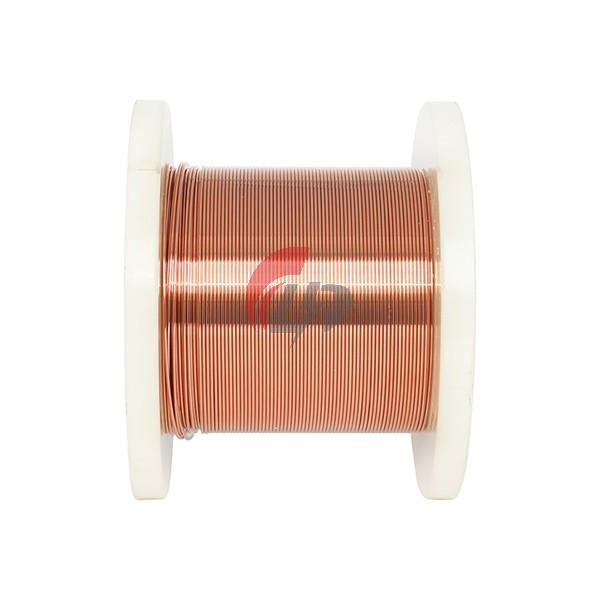
Evaluating the physical properties of bimetallic wire ensures your infrastructure handles intense mechanical and environmental stress. You must verify every technical parameter before selecting a manufacturing partner. Procurement teams generally assess suppliers through three main technical categories:
Mechanical & Electrical Parameters: Wire diameter, strand configuration, tensile strength rating, precise electrical conductivity, and copper cladding ratio.
Environmental & Operational Suitability: Performance in corrosive settings, resistance to soil chemicals, fault-current handling capacities, and installation methods.
Design & Compliance: Overall structural layout and strict adherence to global engineering standards.
Assess Core Steel and Tensile Options
The core steel gives the wire its raw structural strength. Manufacturers use different carbon steel grades to match specific mechanical loads. You must select the right steel core based on your installation requirements:
Steel Core Type | Carbon Content | Typical Tensile Strength | Primary Applications |
|---|---|---|---|
Low Carbon Steel | Soft / Ductile | 290 – 500 MPa | Grounding systems, tie wires, simple formings |
Medium Carbon Steel | Balanced Strength | 550 – 850 MPa | Telephone drop wires, CATV messenger wires |
High Carbon Steel | Ultra High Strength | 900 – 1500 MPa | Long-span overhead transmission, river crossings |
Low-carbon cores offer flexibility and high bendability for easy handling. High-carbon cores deliver tensile strength up to 1500 MPa. High strength prevents line sag and prevents breakage over massive distances.
Review Conductivity and Copper Purity
Your application dictates the required electrical performance. Copper Clad Steel (CCS) wire uses high-purity, oxygen-free copper cladding around the steel core. The outer layer provides superior electrical conductivity and corrosion protection, while high-frequency alternating current travels along the outer copper skin due to the skin effect.
Key Technical Tip: Choose your conductivity rating according to signal frequency and current capacity requirements:
21% IACS: Best for high-tensile utility grounding, trace wire, and high-frequency communication lines.
30% IACS: Standard choice for CATV center conductors, telephone drop wires, and electronic components.
40% IACS: Ideal for power distribution applications requiring higher direct-current electrical efficiency.
Oxygen-free copper prevents internal impurities. Clean cladding materials resist oxidation and keep your systems running smoothly.
Check International ASTM Standards
Reliable manufacturers produce wire that satisfies international engineering standards. You must confirm compliance with recognized performance metrics:
ASTM B452: Standard Specification for Copper-Clad Steel Wire for Electronic Applications.
ASTM B227: Standard Specification for Hard-Drawn Copper-Clad Steel Wire.
ASTM B869: Standard Specification for Subscribed Copper-Clad Steel coaxial Center Conductor.
ASTM B910 / B910M: Standard Specification for Annealed Copper-Clad Steel Wire.
BS4087 & ST11411: British and international standards for power line and communication cabling.
CLAD CCS Wire serves as an industry benchmark for bimetallic quality. Advanced processing creates a continuous metallurgical bond between the copper skin and steel core. The cladding never peels, cracks, or separates under extreme mechanical stress. CLAD delivers robust corrosion resistance and guarantees a continuous service life of 30 years or more.
Evaluate Copper Clad Steel Wire Manufacturer Capabilities
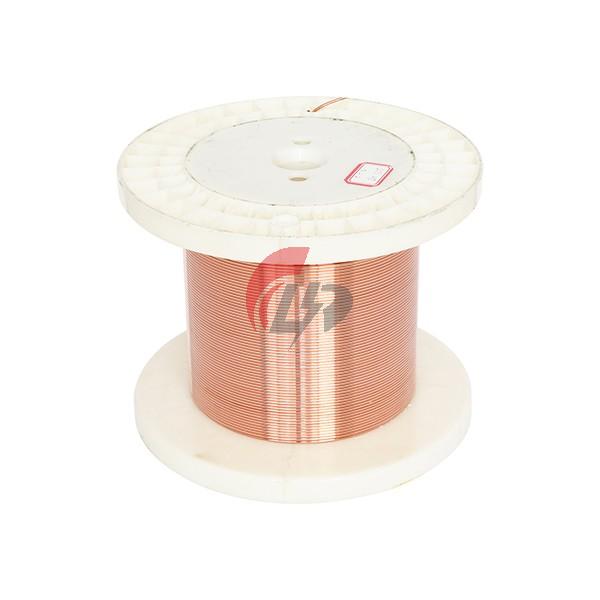
Choosing the right copper clad steel wire manufacturer requires evaluating real factory capacities. Advanced equipment and strict process controls separate tier-one vendors from low-quality suppliers. You must look beyond standard sales sheets. Evaluating operational facilities helps you secure consistent wire quality for heavy-duty industrial installations.
Inspect Cladding Bonding Technology
Superior metallurgical bonding determines long-term cable performance under mechanical stress. High-quality bimetallic wire relies on continuous atomic interaction between metals rather than simple surface plating. Electroplated wires often fail because the outer layer peels away during installation. Metallurgical cladding creates a continuous solid-solution boundary that resists delamination.
Feature / Process | Metallurgical Cladding Bonding | Electroplating (Mechanical Bonding) |
|---|---|---|
Bonding Mechanism | Promotes inter-diffusion of copper and steel atoms through strict thermodynamic processing, forming a continuous solid-solution transition layer. | Relies on simple physical adhesion and mechanical interlocking, leaving invisible micro-gaps at the interface. |
Resistance to Delamination Under Stress | High; the alloy transition layer locks the metals together, preventing layer separation during severe bending. | Low; poor mechanical adhesion causes the plated copper layer to peel easily under mechanical deformation. |
Top production lines use specialized thermal processes to guarantee long service life. You should verify whether a copper clad steel wire manufacturer implements these essential production technologies:
Specialized Hot-Dipping & Cold Drawing: Establishes an atomic-level metallurgical bond between the copper layer and steel core, achieving over 98% cladding coverage and a peel bond strength exceeding 200 MPa to prevent delamination.
Controlled Temperature Annealing: Utilizes precise thermal processing between 450°C and 550°C to enhance wire flexibility (increasing bending cycles by up to 30%) while preserving the structural integrity of the copper-steel interface.
Protective Environmental Coatings: Safeguards the core material against aggressive marine or industrial environments to maintain service durability beyond 25 to 30 years.
Review ISO Certifications and Testing
Reliable factories maintain full quality control across every batch. You must verify that your copper clad steel wire manufacturer holds active ISO9001:2015 quality management certifications. Quality management systems guarantee strict raw material selection and full batch traceability from raw rod to finished reel.
Audit Tip: Always request in-house test reports before placing bulk orders. A top-tier facility performs rigorous internal inspections on every production lot.
Verify that the vendor operates modern in-house laboratory facilities. Technicians must conduct three core quality tests on all wire batches:
Micro-Section Bonding Analysis: Optical microscopes inspect the copper-steel interface to confirm uniform cladding thickness and zero micro-voids.
Thermal Endurance Testing: Extreme temperature cycling tests confirm that heat exposure does not degrade the metallurgical bond or crack the outer copper layer.
Dimensional Tolerance Checks: Precision laser gauges monitor wire diameter along the entire continuous spool length to eliminate size variations.
Verify Custom Diameter Capabilities
Your project design may demand exact technical dimensions. Premier vendors offer wide product versatility to match specialized mechanical requirements. CLAD supplies customizable wire diameters ranging from 0.1mm for delicate electronics up to 5.20mm for heavy grounding systems.
Flexible production lines should also accommodate custom packaging options. You can request tailored supply configurations like specialized plastic spools, heavy steel drums, or waterproof wrapped coils. A flexible manufacturer handles custom design engineering easily, delivering prompt samples built to your exact job site requirements.
Assess Supply Chain and Commercial Terms
Securing a dependable supply chain keeps your infrastructure projects on schedule. You must evaluate commercial terms carefully to prevent project delays and control material costs.
Analyze Lead Times and Delivery
Production timelines directly affect your installation schedules. Reliable suppliers maintain consistent raw material stocks to guarantee predictable delivery windows. You should confirm standard manufacturing lead times before placing large purchase orders. Top suppliers track factory scheduling closely. They provide exact shipping timelines to keep your field teams working efficiently.
Evaluate MOQs and Pricing Models
Fluctuating raw copper and steel market prices impact your procurement budget. A professional copper clad steel wire manufacturer offers clear contractual terms to manage financial exposure. Vendors utilize different pricing models to navigate market volatility:
Pricing Model / Mechanism | Operational Function | Impact on B2B Buyers & Suppliers |
|---|---|---|
Cost-Plus Contracts | Adds a standard markup over total production costs. | Passes cost increases to buyers directly to defend supplier margins. |
Rise-and-Fall Clauses | Modifies base pricing within long-term agreements. | Permits price recalibration over extended lead times as raw material expenses shift. |
Fixed-Price Contracts | Maintains a constant rate over agreed commitments. | Prevents immediate price increases, protecting buyer budgets during market swings. |
Raw material volatility alters standard purchasing strategies across the industry:
Increased Price Adjustment Frequency: Suppliers update pricing monthly or weekly instead of using annual adjustments.
Contractual Clause Revisions: Buyers and vendors actively update contract terms to share market risks fairly.
Risk and Strategy Shifts: Companies adopt new hedging strategies to safeguard profit margins against sudden price spikes.
Minimum Order Quantities (MOQs) must also align with your project scope. Flexible suppliers offer reasonable MOQ options for custom production runs.
Review Global Logistics Support
Export capabilities determine how smoothly your shipment arrives at the site. Choose a copper clad steel wire manufacturer with strong international logistics experience. Premier partners secure customs clearance, offer export packaging, and handle complex ocean freight routes effortlessly.
Key Factors in Choosing a Copper Clad Steel Wire Manufacturer
You must establish strict evaluation criteria before finalizing your procurement decision. Partnering with the right copper clad steel wire manufacturer protects your infrastructure projects from costly product failures and operational delays.
Request and Test Production Samples
Never sign a long-term supply contract without testing physical wire samples first. You should request trial reels matching your exact project specifications directly from the factory floor.
Sample Testing Checklist: Evaluate these essential material properties in your laboratory:
Mechanical Strength: Perform pull tests to verify yield limits and maximum tensile strength.
Electrical Performance: Measure continuous DC resistance and IACS conductivity ratios.
Cladding Integrity: Twist and bend wire samples to confirm zero outer layer peeling or cracking.
Thorough sample testing confirms real-world performance before bulk manufacturing begins.
Perform On-Site Factory Audits
Schedule a physical audit of the manufacturing facility. You can send your internal quality engineering team or hire a certified third-party inspector.
Audit Focus | Target Inspection Action |
|---|---|
Machinery Capacities | Inspect drawing equipment and continuous cladding line controls. |
Raw Material Quality | Verify storage conditions for oxygen-free copper rods and carbon steel cores. |
Batch Control Systems | Review digital tracking logs for complete raw-material-to-reel traceability. |
Direct factory audits uncover hidden operational risks and confirm real production capacity.
Review Vendor Service Agreements
Examine legal terms and commercial commitments thoroughly. Ensure your chosen copper clad steel wire manufacturer provides clear technical support and comprehensive product warranties.
Warranty Coverage: Secure multi-year performance guarantees against material defects and cladding separation.
Technical Assistance: Confirm direct access to application engineers during product installation.
Risk Allocation: Define clear liability guidelines for shipping delays or out-of-spec product deliveries.
Detailed service agreements protect your financial investments and build long-term business partnerships.
Selecting the ideal partner requires three crucial steps: defining your exact technical specifications, auditing factory quality systems, and verifying commercial reliability. CLAD stands out as a certified copper clad steel wire manufacturer. They deliver fully customizable CCS wire solutions across telecommunications and power industries.
Final Procurement Step: Request technical datasheets and sample batches today. Test physical samples thoroughly before finalizing your long-term supply contracts.
FAQ
What is the main advantage of Copper Clad Steel wire over pure copper?
Copper Clad Steel (CCS) wire combines the structural strength of steel with the conductivity of copper. You get a stronger, lighter, and more cost-effective conductor. It withstands high physical tension, discourages theft, and lasts over 30 years in aggressive environments.
How do you choose the right conductivity rating for your project?
Base your selection on your application's signal frequency and power requirements. Select 21% IACS for high-tensile grounding and tracer wire. Choose 30% IACS for CATV center conductors and telephone wires. Pick 40% IACS for systems requiring higher direct-current efficiency.
Can CLAD supply custom wire sizes and tailored packaging?
Yes. CLAD manufactures wire diameters ranging from 0.1mm to 5.20mm with custom tensile strengths up to 1500 MPa. You can also request custom packaging, including specialized plastic spools, heavy steel drums, or waterproof wrapped coils.
Which key standards should a reliable CCS wire meet?
Verify that your supplier complies with major international specifications. Look for ASTM B452 for electronic applications, ASTM B227 for hard-drawn wire, ASTM B869 for coaxial conductors, and ASTM B910 for annealed wire. Quality products also satisfy BS4087 and ST11411 standards.


