


Why Some Projects Require Stricter Copper Clad Steel (CCS) Specifications
In many applications, copper clad steel (CCS) wire is selected based on general performance needs. However, in certain engineering projects, buyers and engineers require stricter specifications for copper clad steel conductors to ensure long-term stability and system reliability.
One key reason is the critical role of CCS grounding conductors in overall system performance. In projects such as power infrastructure and grounding systems, the quality of copper clad steel wire directly affects safety and operational stability. As a result, stricter control over CCS wire specifications helps reduce potential risks.
Another important factor is long-term installation conditions. Copper clad steel grounding wire is often installed underground or in outdoor environments where replacement is difficult. In these cases, engineers prefer CCS conductors with stable dimensions, consistent structure, and reliable copper bonding, ensuring dependable performance over time.
Environmental conditions also drive stricter requirements. In humid, high-temperature, or complex soil environments, copper clad steel wire must maintain stable performance. Therefore, projects in such conditions tend to specify higher standards for CCS grounding wire, focusing on consistency and durability rather than just basic conductivity.
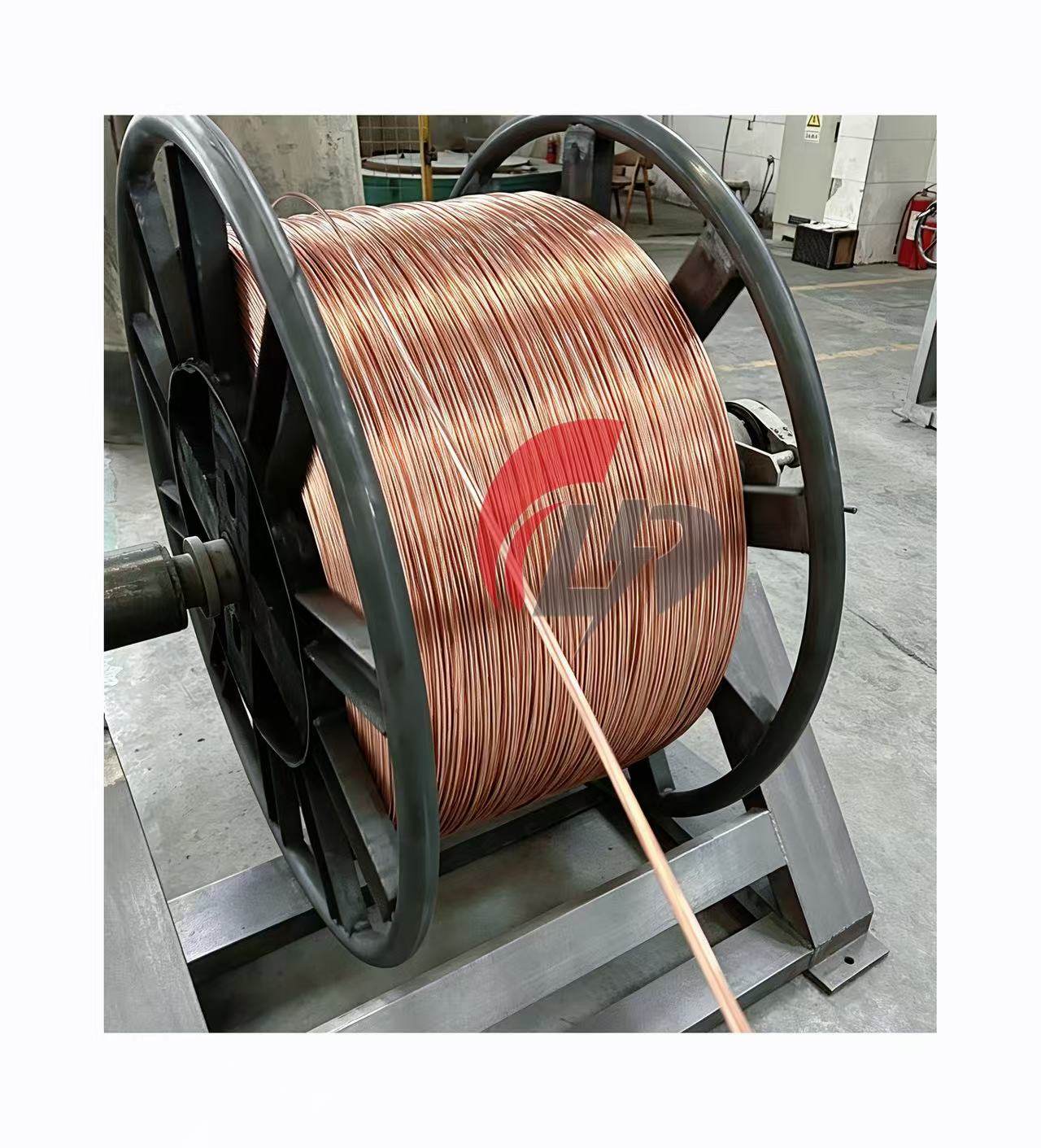
For large-scale projects, consistency across batches is critical. When CCS wire is supplied over multiple shipments, even small variations can affect installation and system integration. Stricter copper clad steel specifications help ensure uniformity and reduce on-site adjustments.
In addition, many projects require compliance with industry practices or internal engineering standards. This often leads to tighter control over CCS conductor dimensions, structure, and overall quality consistency, especially in international or long-term infrastructure projects.
From a procurement perspective, stricter specifications for copper clad steel wire are also related to risk control. Buyers prefer CCS grounding conductors with predictable and stable performance, particularly in projects where failure could lead to safety issues or costly maintenance.
In summary, stricter specifications for copper clad steel (CCS) conductors are driven by project requirements rather than product limitations. By ensuring consistency, stability, and reliability, CCS wire continues to be a preferred choice in demanding grounding and infrastructure applications.


