


Interaction Between Insulation and Copper-Clad Steel Conductor
In insulated copper clad steel (CCS) wire, the relationship between the insulation layer and the conductor is not simply a combination of two separate components. Instead, it is a coordinated structure where both elements work together to ensure stability, consistency, and reliable performance.
The conductor provides the mechanical strength and electrical function, while the insulation layer serves as protection and identification. However, the effectiveness of the insulation depends largely on how well it fits and interacts with the underlying conductor. A stable and well-matched interface helps maintain the overall integrity of the wire during handling, installation, and long-term use.
One important aspect of this interaction is dimensional compatibility. The outer diameter of the conductor and the thickness of the insulation layer must be controlled in a coordinated manner. If the fit is not consistent, it may lead to uneven surfaces, instability in the outer layer, or difficulties during installation. Proper matching ensures a uniform appearance and predictable handling characteristics.
Flexibility is another key factor. Copper-clad steel conductors, especially in stranded form, are designed to maintain a certain level of flexibility. The insulation layer must accommodate this flexibility without cracking, separating, or creating stress concentration points. A well-designed insulation-conductor combination allows the wire to be bent and routed smoothly in real installation conditions.
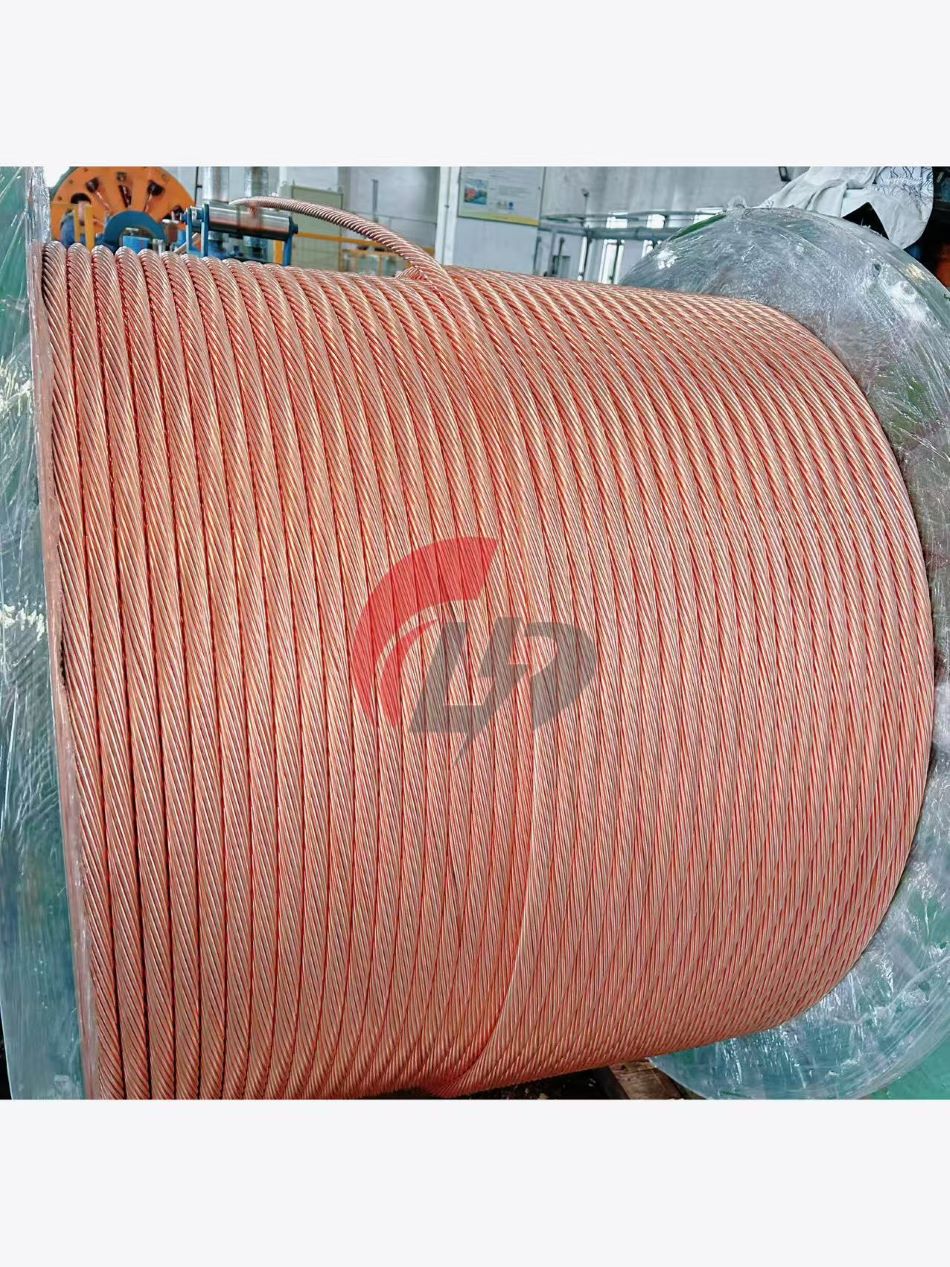
Adhesion behavior between the insulation and conductor also plays a role. While the insulation is not intended to bond permanently to the conductor, a stable interface helps prevent movement, wrinkling, or displacement of the insulation during processing and installation. This contributes to consistent outer structure and long-term reliability.
In addition, the insulation layer must remain stable under different environmental conditions. Temperature changes, mechanical stress, and handling during transportation all place demands on the coordination between insulation and conductor. A balanced design ensures that both components respond consistently without compromising the overall structure.
For insulated CCS products such as yellow-green grounding wire, this coordination is particularly important. Consistent insulation coverage and stable conductor support help maintain both functional reliability and clear identification throughout the service life.
In summary, the interaction between insulation and the copper-clad steel conductor is a key factor in product performance. It affects not only the appearance and handling of the wire, but also its long-term stability and reliability in practical applications.


