


Bonding Integrity in Copper-Clad Steel Conductors
Bonding integrity is one of the most critical aspects in the performance of copper clad steel (CCS) conductors. It refers to how firmly and consistently the copper layer is bonded to the steel core, forming a unified structure rather than two separate materials.
In CCS conductors, the copper layer is not only responsible for electrical conductivity but also serves as the primary interface with the external environment. If the bonding between copper and steel is not stable, the conductor may face risks such as separation, cracking, or surface irregularities over time. These issues can affect both mechanical reliability and long-term performance.
A well-bonded structure ensures that the copper layer remains tightly attached to the steel core under various conditions, including bending, handling, and installation. During field installation, conductors are often subject to mechanical stress such as pulling, twisting, and routing through different paths. Strong bonding integrity helps maintain structural continuity and reduces the risk of damage during these processes.
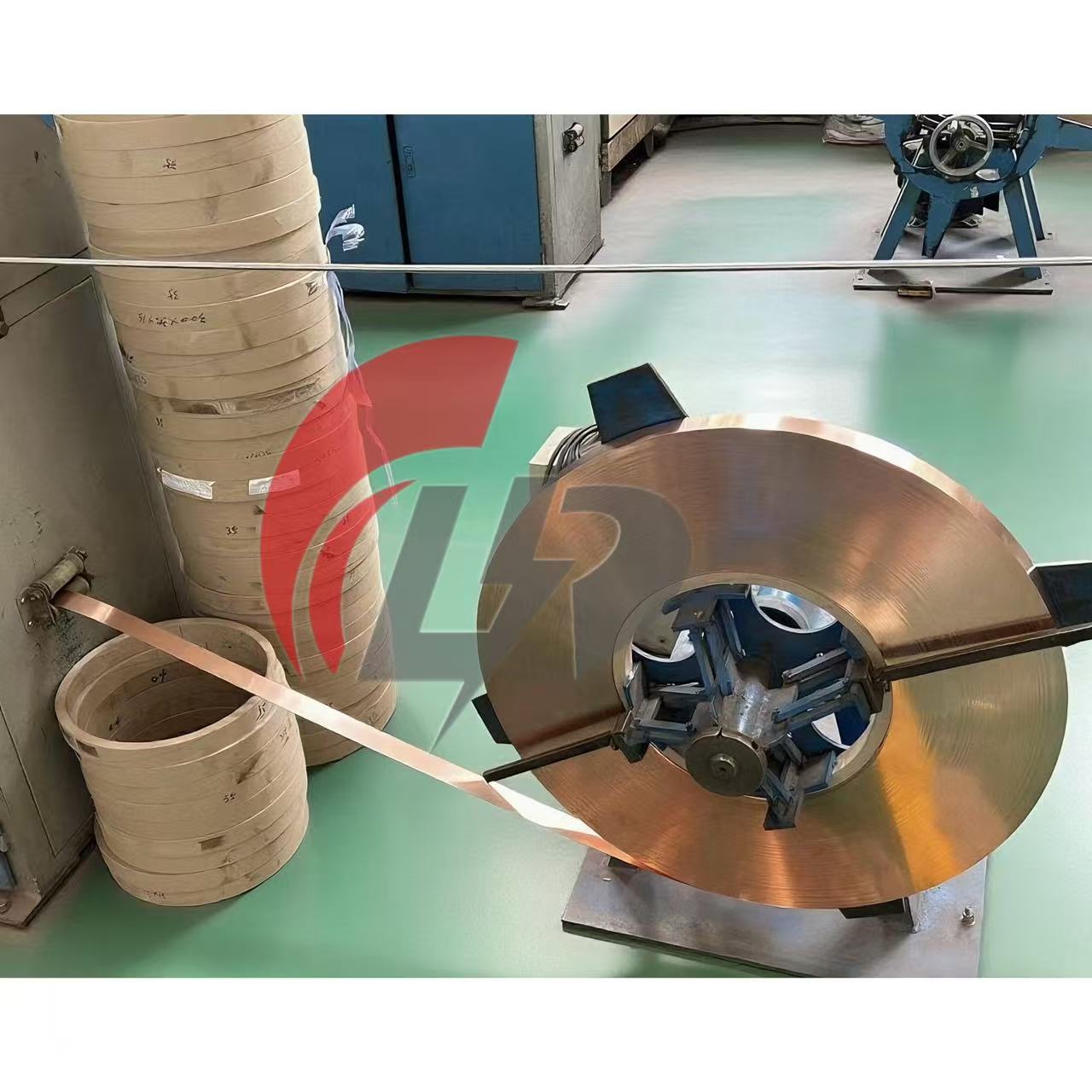
From a long-term perspective, bonding integrity plays an important role in maintaining consistent performance. In outdoor or buried environments, conductors are exposed to moisture, temperature variation, and soil conditions. A stable bond between copper and steel supports the integrity of the outer layer and contributes to predictable behavior over time.
Another important factor is manufacturing consistency. Reliable bonding is achieved through controlled production processes that ensure uniform copper coverage and stable adhesion along the entire length of the conductor. This consistency is especially important for large projects where materials are supplied in multiple batches.
For engineers and buyers, bonding integrity is not always a visible characteristic, but it is a fundamental quality indicator. It reflects the overall manufacturing capability and directly influences the reliability of the final product.
In summary, bonding integrity in copper-clad steel conductors is essential for ensuring structural stability, installation reliability, and long-term performance. It is one of the key factors that define the quality and dependability of CCS materials.


